
Marlborough, MA
Paint Protection Film in Marlborough, MA
A nearly invisible urethane film that takes the hits your paint otherwise would, from rock chips and scratches to bugs and road salt.
- Self-healing top coat
- Custom-cut patterns
- Partial to full coverage
Auto Addict
European auto specialists
- 6Core services
- 13+Towns served
- BMW& European specialists
- 1Shop for it all
Paint Protection Film Installed in Marlborough
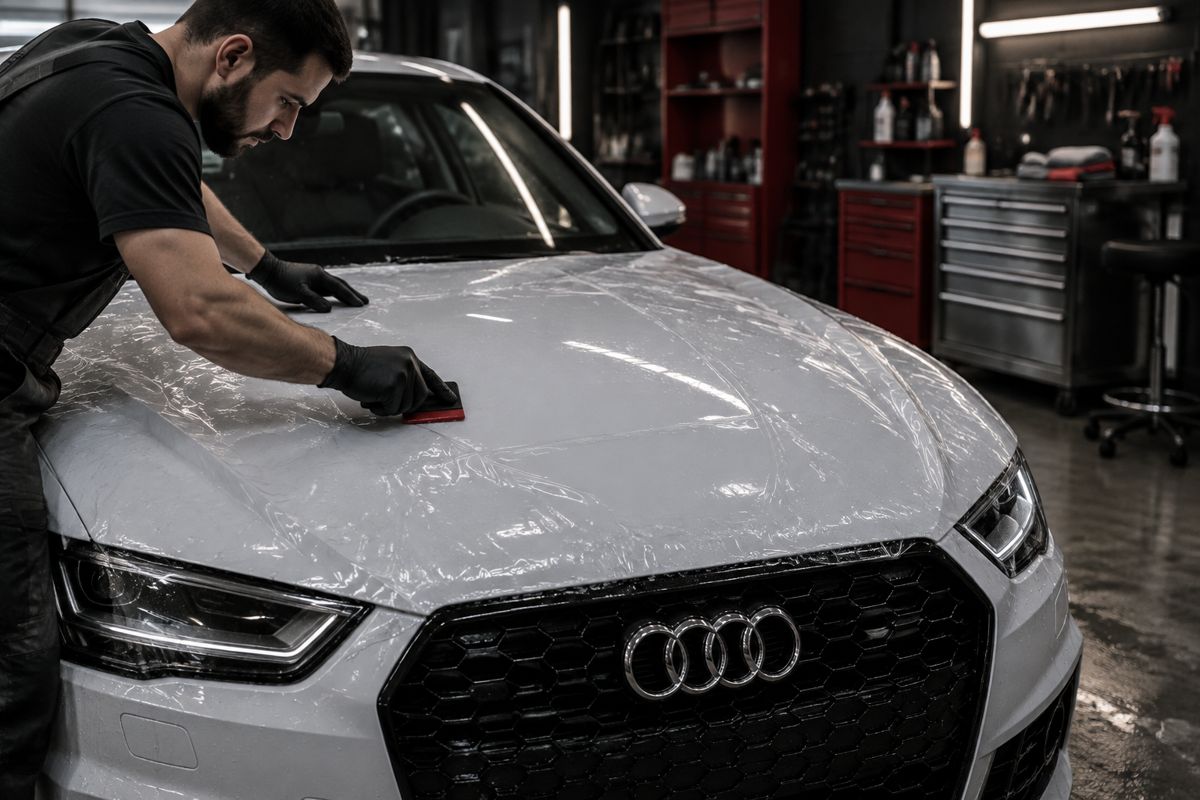
Daily driving exposes the front of a vehicle to gravel, sand, insects and other hazards. Winter adds road salt, slush and grime on top of that. Over time, even careful drivers end up with chips and scuffs across the bumper, hood, mirrors and rocker panels.
Paint protection film creates a sacrificial layer between those hazards and your factory paint. Instead of leaving painted surfaces directly exposed, PPF absorbs many of the impacts and abrasions that would otherwise reach the clear coat underneath.
Also known as PPF or clear bra, the film is designed to stay nearly invisible once installed, so the vehicle keeps its factory look while gaining a real layer of defense.
Once installed, the film is engineered to shrug off minor impacts on its own, with light marks able to soften or disappear with a bit of heat, so the surface keeps its clarity season after season.
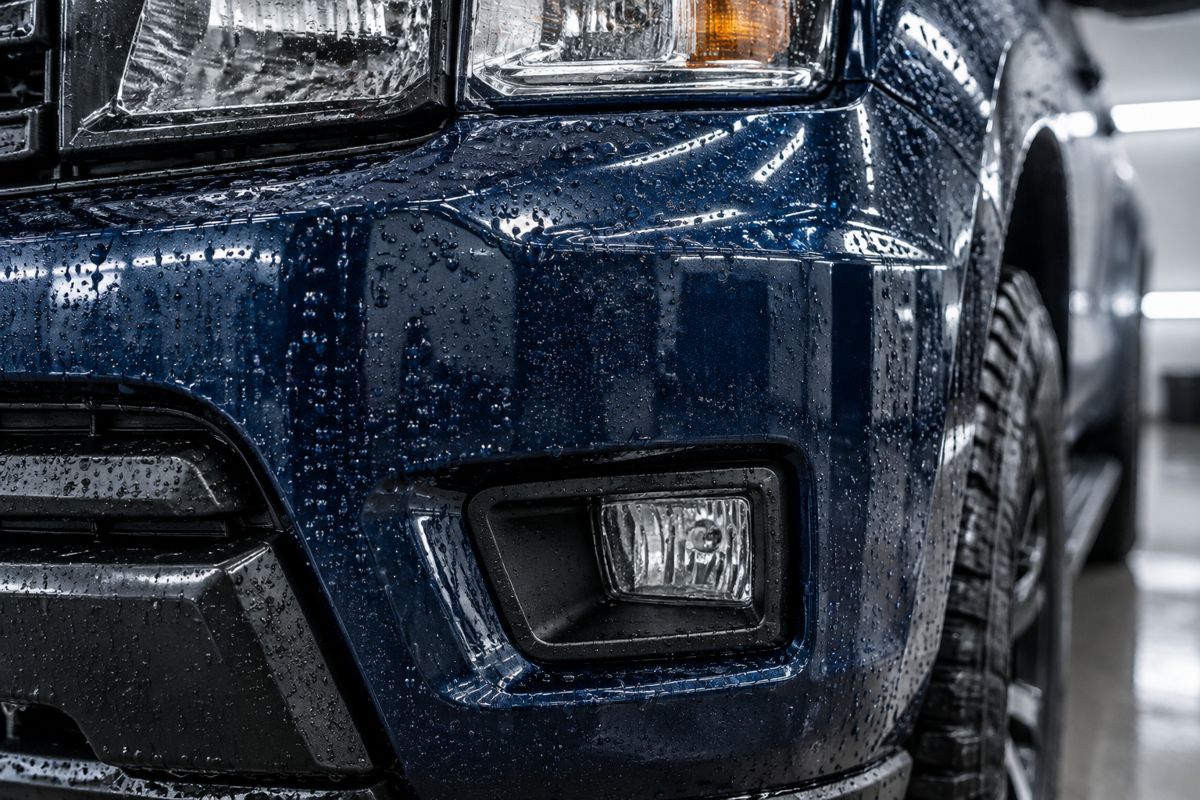
What PPF Helps Defend Against
- Rock chips and road debris
- Minor scratches and scuffs
- Road salt and winter grime
- Sand and gravel kickup
- Bug splatter and bird droppings
- Everyday wear on high-contact surfaces
Coverage Options to Fit Your Goals
Partial Front
Front bumper, partial hood and fenders, and mirrors, covering the highest impact areas at a lower cost.
Full Front
Full hood, full fenders, bumper and mirrors with no visible cut line across the hood.
High-Wear Kits
Door cups, door edges, rocker panels and trunk ledge, the spots that take daily abuse.
Full Vehicle
Every painted panel protected, a common choice for new, luxury and performance cars.
Shield the Paint You Paid For
Why Install Film Before the Damage Shows Up
Repairing damaged paint can be costly, and repainting a panel can affect the originality of a vehicle's finish. PPF is designed to help preserve the original paint before chips and scratches ever accumulate.
This is why so many owners schedule film shortly after buying a new vehicle. A car can leave the dealership with nearly perfect paint, only to start collecting road damage on the front bumper and hood almost immediately. Installing PPF while the finish is still in excellent condition protects that investment from day one.
Owners who wait until damage is already visible often end up paying for paint correction before they can even consider film or a coating, so earlier installation tends to save both money and hassle down the road.
How it works
What to Expect From Installation
Every PPF project follows a careful process regardless of the coverage level you choose.
- 1
Inspection
We evaluate the paint condition and discuss coverage options based on your vehicle and driving habits.
- 2
Surface Prep
Panels are thoroughly cleaned so contamination cannot get trapped under the film.
- 3
Custom Cutting
Film is cut to match the exact curves and body lines of your vehicle.
- 4
Precision Application
The film is applied, aligned and finished with clean edges that blend into the panel.
PPF for BMW, Audi, Porsche and Other European Vehicles
Auto Addict Car Care regularly installs film on BMW, Audi, Mercedes-Benz, Porsche, MINI, Volkswagen, Volvo and Land Rover vehicles. PPF is especially popular among European and performance owners because it preserves the factory finish without changing the design or character of the car.
It is a worthwhile option for BMW M cars, Porsche sports cars and SUVs, Mercedes-Benz AMG models, Audi S and RS vehicles, and any European daily driver that sees regular use.
Our shop also provides BMW and European auto repair in Marlborough, so these owners can handle maintenance and protection in one place.
These vehicles often see spirited weekend driving in addition to daily use, which makes front end protection especially valuable for preserving resale value and a clean appearance.
PPF and Ceramic Coating Together
Paint protection film and ceramic coating serve different purposes. Film provides physical impact protection, while a ceramic coating adds a hydrophobic surface that improves gloss and makes washing easier. A ceramic coating is not a substitute for PPF when rock chip protection is the priority.
Many owners choose both. Film is installed over the most vulnerable panels, then a ceramic coating is applied on top to add slickness and easier maintenance across the whole vehicle. Let us know ahead of time if you want both services so we can plan the right installation order.
This combination is particularly popular on new vehicles and collector cars, where owners want the strongest possible long term defense for a finish that still looks showroom fresh.
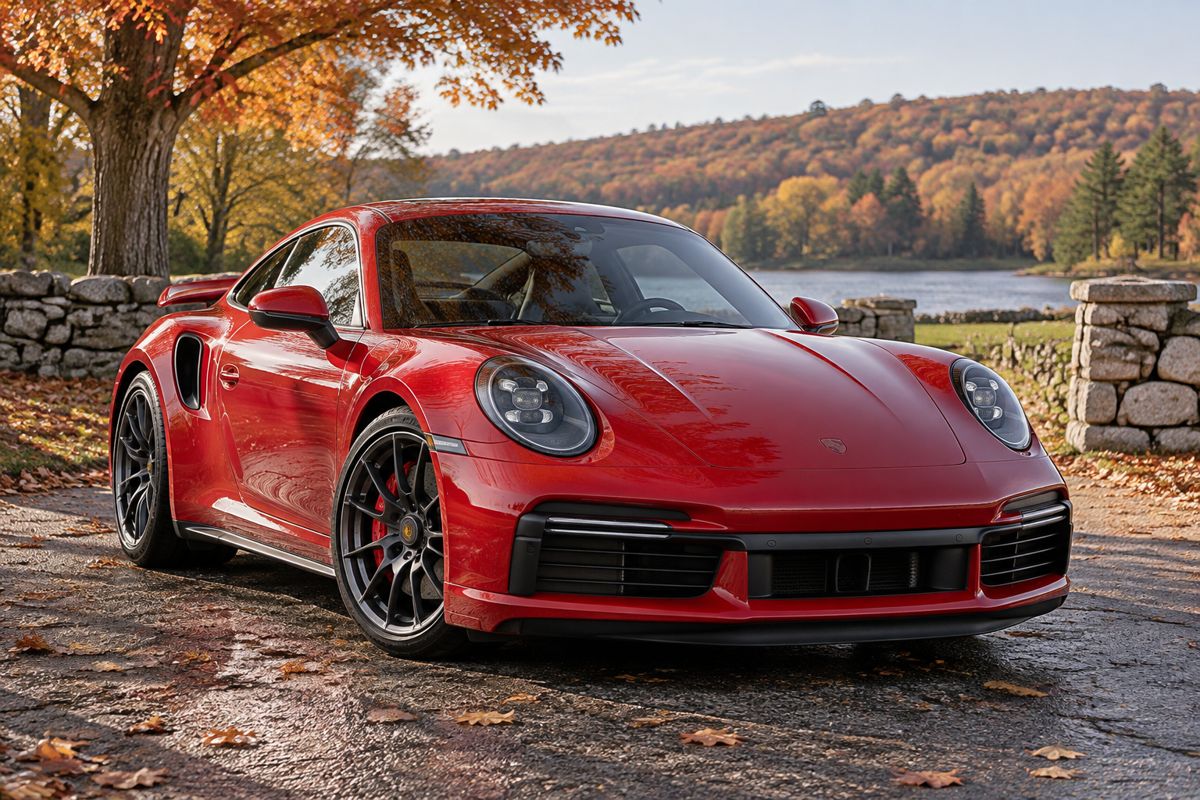
Protection Before the Damage
Vehicles That Benefit Most From Film
Any vehicle can wear paint protection film, but a few categories of owner tend to see the clearest return on the investment.
New purchases, vehicles that spend time on gravel driveways, and cars driven frequently in winter conditions all face a faster pace of front end wear than a garage kept weekend car, which makes film especially worthwhile for those owners.
If your vehicle falls into one of these categories, scheduling film sooner rather than later tends to preserve more of the original finish and keep future touch up work to a minimum.
Brand New Purchases
Protecting pristine paint from day one avoids the gap where road damage accumulates before any coverage is in place.
Gravel Driveway Vehicles
Loose stone kicked up during everyday pulls in and out causes some of the most common chip patterns we see.
Winter Daily Drivers
Salt and sand exposure through a full New England winter adds up quickly on an unprotected front bumper.
Film Thickness and Finish Options
Paint protection film is applied as a clear, high-gloss layer designed to preserve your factory finish, and coverage can be tailored by panel depending on the level of impact resistance you want. We can walk through these choices together so the final look matches your expectations before anything is installed.
Ready to Protect Your Finish
Whether you want targeted front end coverage or complete protection for a new or high value vehicle, we can help you choose the right package. Book your PPF appointment or call Auto Addict Car Care for a custom quote.
Service areas
PPF Near You
FAQ
Marlborough PPF Questions
Is paint protection film worth it on a vehicle that is a few years old?+
Yes. While new cars benefit most from protecting pristine paint, an older vehicle in good condition can still gain meaningful protection against further chips and scratches going forward. The key factor is the current condition of the panels rather than the age of the car itself, so we always start with an honest look at the paint before recommending coverage.
Does PPF change how glossy my paint looks?+
Quality film is designed to be clear and allow the original paint color and gloss to show through, so the finish looks essentially the same with the added protection underneath. Most owners are surprised at how closely a properly installed film matches bare paint, with the main difference being a subtle, smooth texture that is really only noticeable to the touch.
What happens if the film gets damaged?+
Individual panels of film can typically be replaced without affecting the rest of the installation, which keeps repairs focused and limits unnecessary work on undamaged sections. We can usually remove and reinstall film on just the affected section rather than redoing the entire vehicle, which keeps both the cost and the shop time reasonable.
Can PPF be installed on a vehicle with existing swirl marks?+
Yes, though paint correction is often recommended first. Correcting the finish before installing film prevents those imperfections from being sealed in underneath the clear layer. Correcting the paint first also tends to improve the overall appearance under the film, since the clear urethane layer will reveal rather than hide texture and imperfections underneath it.
How soon after buying a new car should I get PPF installed?+
As soon as possible. The goal is to protect the paint before it accumulates road damage, so scheduling film shortly after delivery gives the best result. Many owners schedule the appointment within the first few weeks of ownership, before the vehicle has accumulated meaningful mileage or any exposure to road debris.